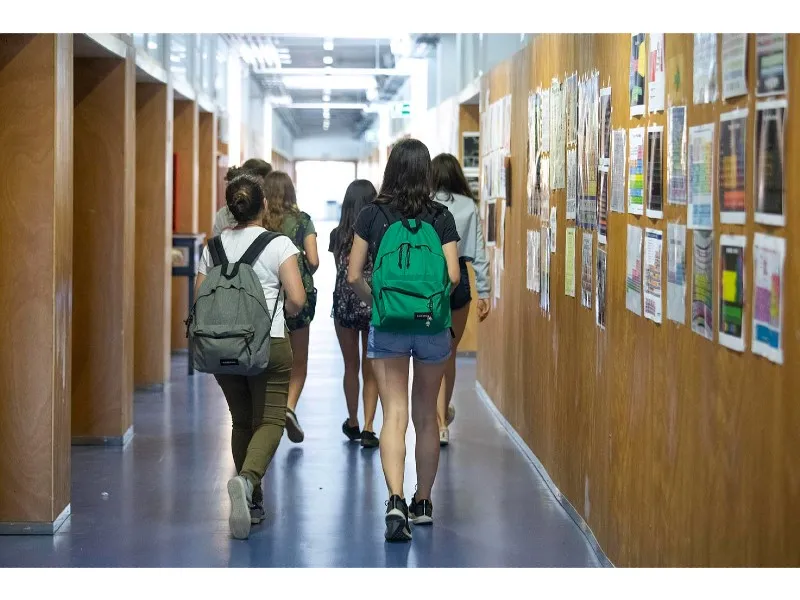
For years, pain has been explained primarily from a physical perspective, focusing on injuries or contractures. However, professional Cassiana Campos notes a significant shift in her practice, where patients, especially young people, arrive with deeper tensions often stemming from an accelerated life and a lack of space to process feelings.
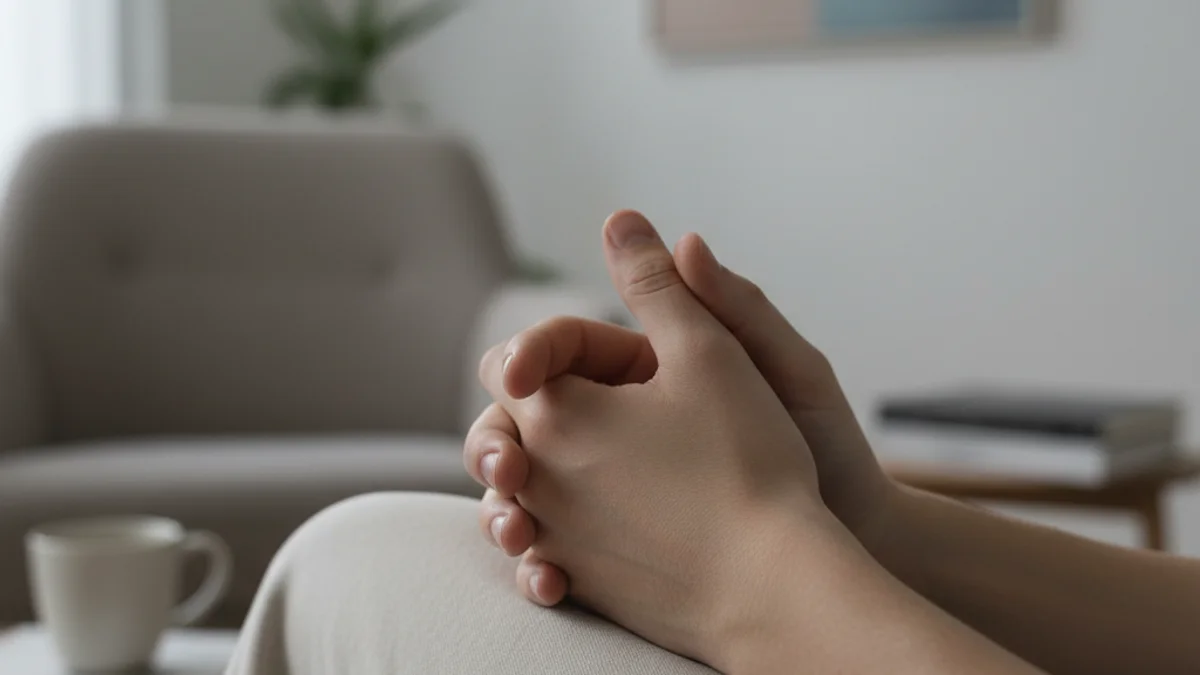
According to Campos, the body is the first to warn when emotions are suppressed or the pace of life becomes unsustainable. This awareness has grown, and patients are now better able to verbalize their situation: “Before, people would say 'my back hurts,' and now they say 'my back hurts and I feel very anxious, distressed...'”, she explains.
“"They have understood that they truly want to be well; they don't want to keep relying on ibuprofen and paracetamol. They truly want to be well."
This change in perspective became especially evident after the COVID-19 lockdown, a forced pause that allowed many people to reconnect with their bodies and emotions. This openness is reflected in the normalization of psychological therapy among young people, who view seeking help as “luck” rather than a stigma.
The professional emphasizes that if the emotional state is not addressed, it is difficult for physical treatment to be effective. Therefore, in her consultation, the body and mind are given equal weight. The key to integral well-being, according to Campos, is maintaining “movement,” whether physical, psychological, or social, avoiding the inertia of sitting down and disconnecting.