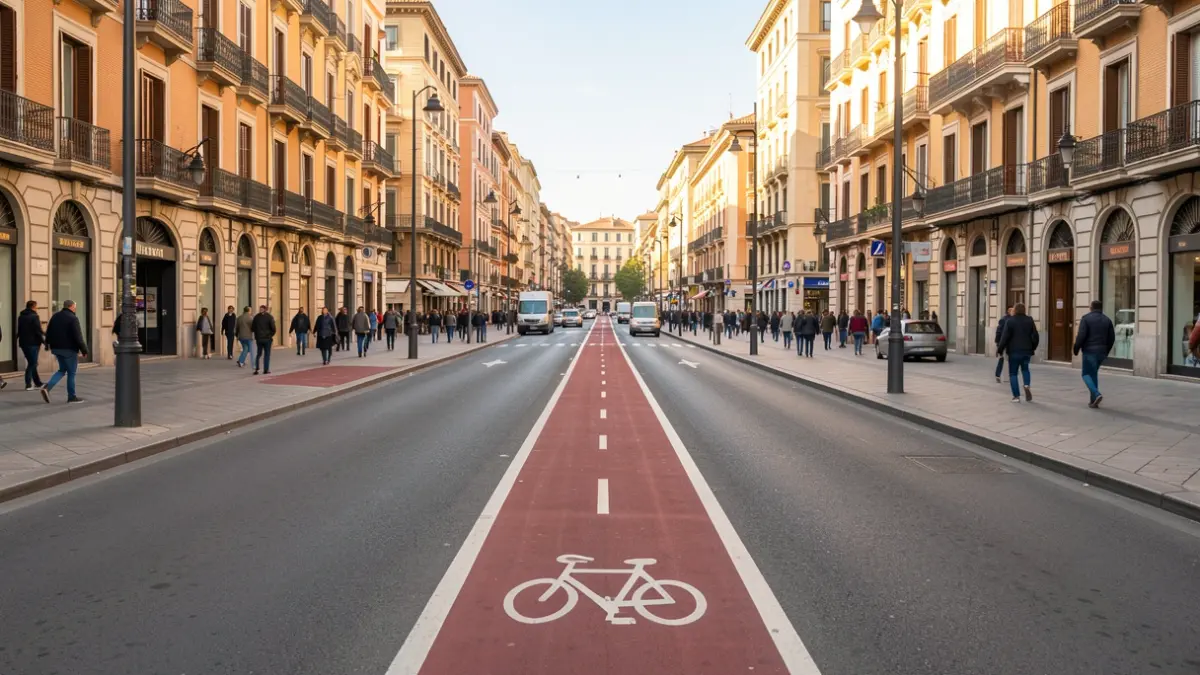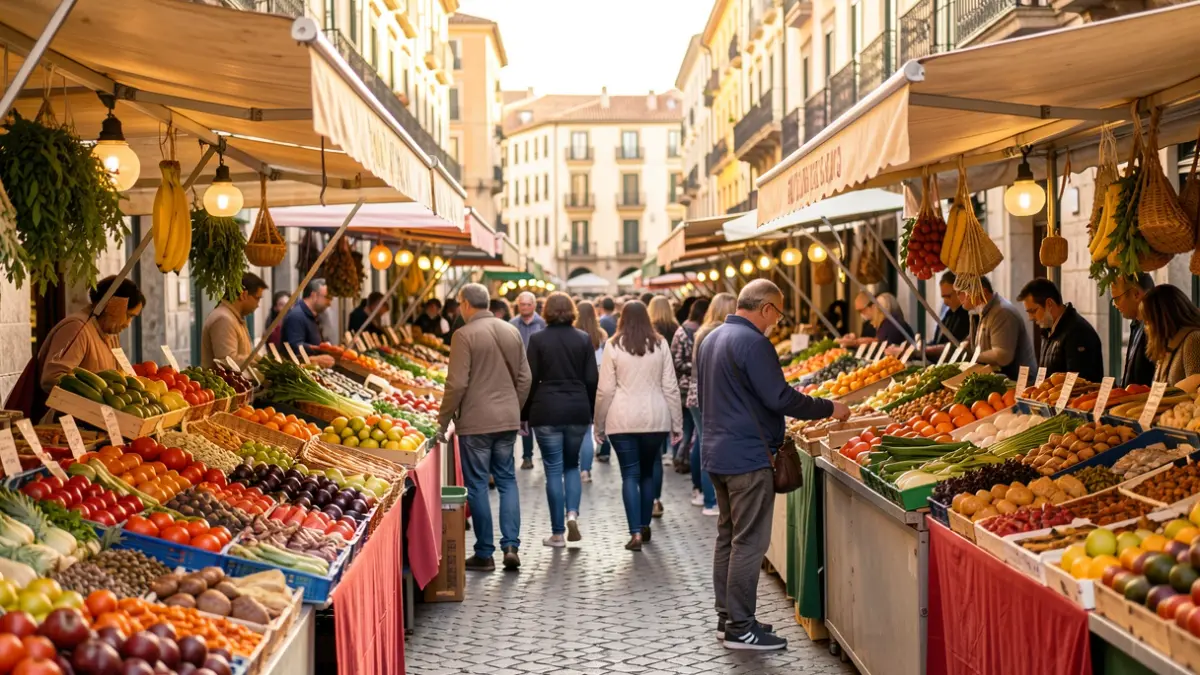
Gentrification, defined as the replacement of lower socioeconomic status populations by those with greater purchasing power, is consolidating in Barcelona. This is the main conclusion of the study How gentrification has redefined Spanish cities: the expansion of the process in the 2011-2021 decade, prepared by CED-UAB researchers. The analysis compared the intensity of the process in the ten most populated Spanish municipalities, highlighting the critical situation in La Barceloneta.
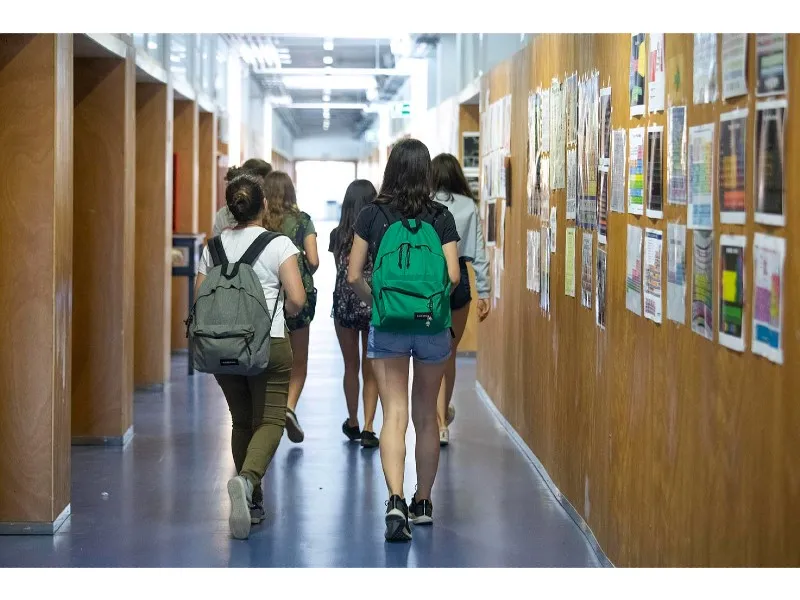
The districts with the highest gentrification indices in the Catalan capital are Ciutat Vella, Gràcia, and the Eixample, where the phenomenon arrived before 2010. Now, the expansion is spreading towards neighborhoods such as Sant Antoni, Sagrada Família, Sant Martí, Sants, and Poble-sec. Key indicators include the arrival of young people with university studies, employed in high labor categories, and born in wealthy countries, in addition to the sharp increase in rental prices.
“"Gentrification in La Barceloneta is fought with a moratorium on rents and no tourist apartments."
Neighborhood associations reinforce the study's conclusions. Carme Tomàs, from the La Barceloneta Neighborhood Association, stated that the displacement of residents is a palpable fact. The lack of land to build new housing in La Barceloneta forces a focus on the rehabilitation of existing homes, many of which are humid and dark, according to the entities.
CED-UAB researchers warn that gentrification not only transforms the urban landscape but also profoundly alters the social structure, contributing to increased socio-spatial segregation, the expulsion of vulnerable populations, and the intensification of metropolitan inequalities.