This doll was created with the guidance of the TEA (Autism Spectrum Disorder) community and joins the Barbie Fashionistas collection, known for its diverse range of skin tones, hair types, and body conditions. This is part of Mattel's ongoing commitment to inclusion, following the release of a Barbie with diabetes last July.
“"Barbie has always strived to reflect the world children see and the possibilities they imagine, and we are proud to introduce our first Barbie with autism as part of this ongoing work."
The doll's design and development took over 18 months in collaboration with the Autistic Self-Advocacy Network (ASAN), a non-profit organization dedicated to advocating for the rights of people with disabilities and led by autistic individuals. Every design choice was deliberate to authentically reflect some of the experiences that people on the autism spectrum may identify with.
“"At Barbie, we firmly believe that play has the power to shape how children understand the world and the people who inhabit it."
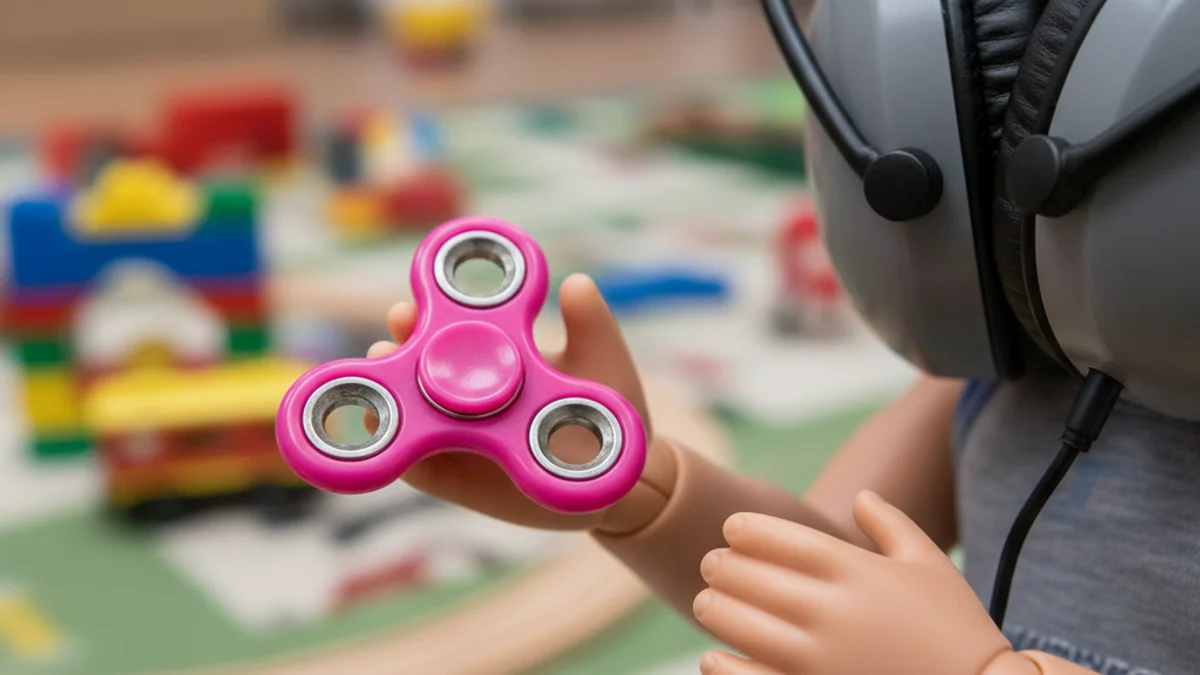
Key features of the new Barbie include articulation at the elbows and wrists to represent repetitive movements like hand flapping, and a slightly averted gaze to reflect the avoidance of direct eye contact. Accessories include a functional pink anti-stress spinner, noise-canceling headphones to reduce sensory overload, and a tablet displaying Augmentative and Alternative Communication (AAC) applications.