The inefficient management of 25 million cubic meters of annual slurry in Catalonia causes between 20% and 35% of the nitrogen to leach into aquifers, especially in areas with high livestock pressure. This infiltration can exceed 30 million kilograms of nitrogen annually. As a result, the European Union has declared more than 400 Catalan municipalities as vulnerable zones for repeatedly exceeding the 50 mg/l limit in groundwater, affecting water potability. The municipality of Ulldecona, in Montsià, is one of those that frequently exceeds these parameters.
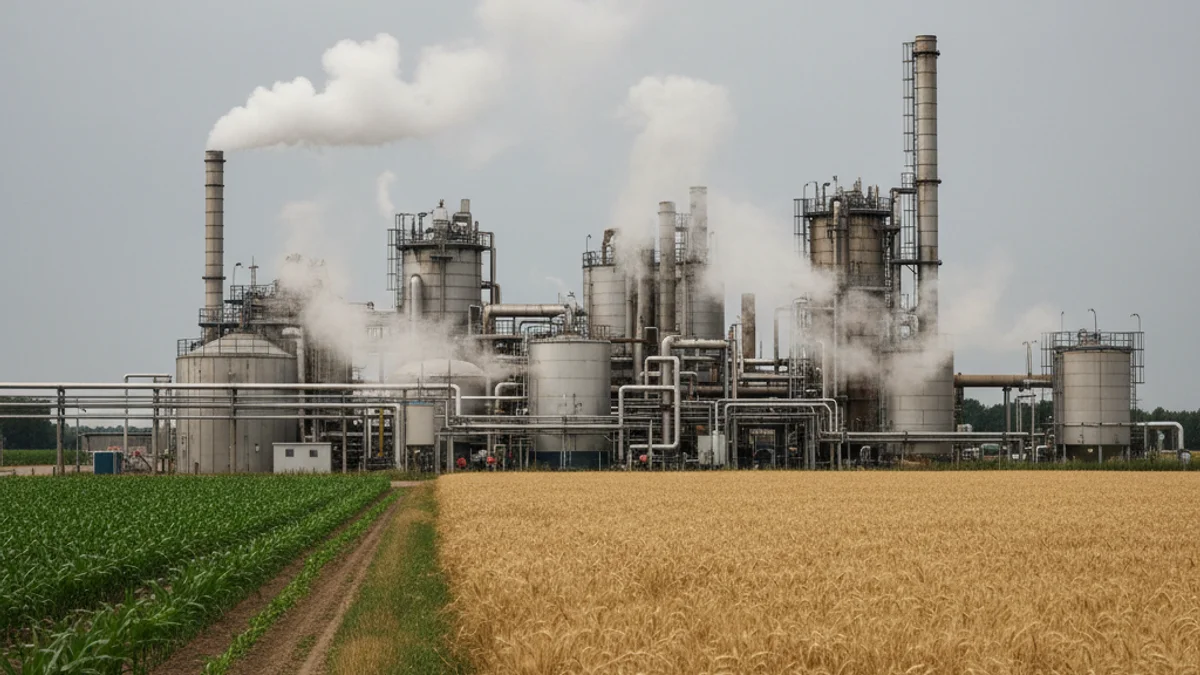
The so-called Bioeconomy, which promotes the reuse and recycling of organic matter, is viewed by some experts as a way to increase rural extractivism without addressing the need to Reduce energy consumption and excess livestock waste. In the case of biogas, the excuse of solving the nitrate problem is used, but the analysis by expert Joan Cunill indicates that nitrogen remains in the digestate at the end of the process, offering no real solution.
“"The strategies that both official and private organizations sell us about Biogas are half-truths wrapped in Greenwashing."
Cunill also questions the energy efficiency of biogas plants, noting that the energy they consume in the process represents approximately 30% of what they produce, making their justification as renewable energy precarious. Furthermore, he criticizes that many industries ignore the Available Technical Measures (ATM), using inadequate filters and keeping open discharge ponds, which causes considerable odor and atmospheric impacts, as observed at the Biogàs la Galera plant.