The book, published last October, is the final volume of a trilogy dedicated to recovering the history of the farmhouses (masos) in the Vallès city. This latest 474-page work delves into the history of the peasantry and the transformation of the territory from the 9th century until the mid-20th century, covering the area of Sant Iscle de les Feixes (which includes parts of Cerdanyola and Montcada), la Ferreria (between Montcada, Ripollet, and Cerdanyola) and Can Tiana de la Riba (Ripollet).
“"Historians are too boring, too serious when we talk about these things, which is why I want the book presentation to be more fluid and dynamic. The history of the town doesn't interest many people, but at least it will remain written down in case a student wants to do a project on Cerdanyola someday."
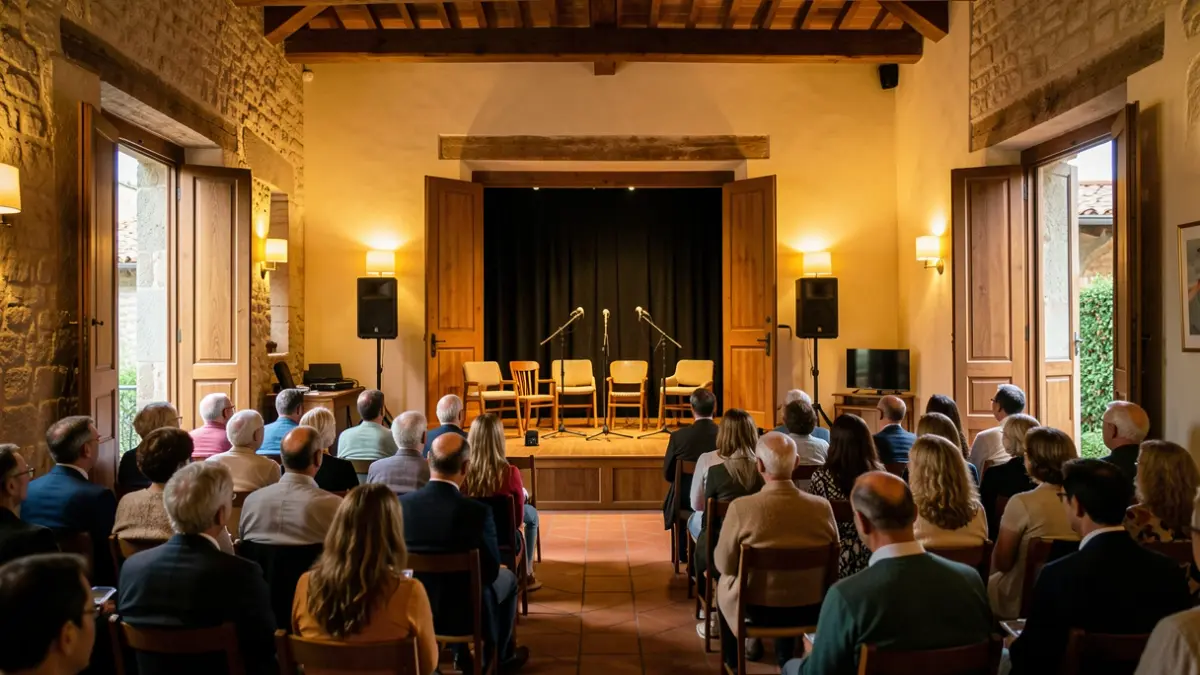
The presentation of the work Masos de Sant Iscle de les Feixes i rodalia (826-2012) will take place on Tuesday, January 20, at 6:30 p.m. at the Biblioteca Central de Cerdanyola. The event will feature the participation of journalist Juan Antonio Hidalgo, historian and writer Ramon Martos, and rhapsodist Margarida Medina, who will read six poems included in the book related to the countryside and farmhouses.
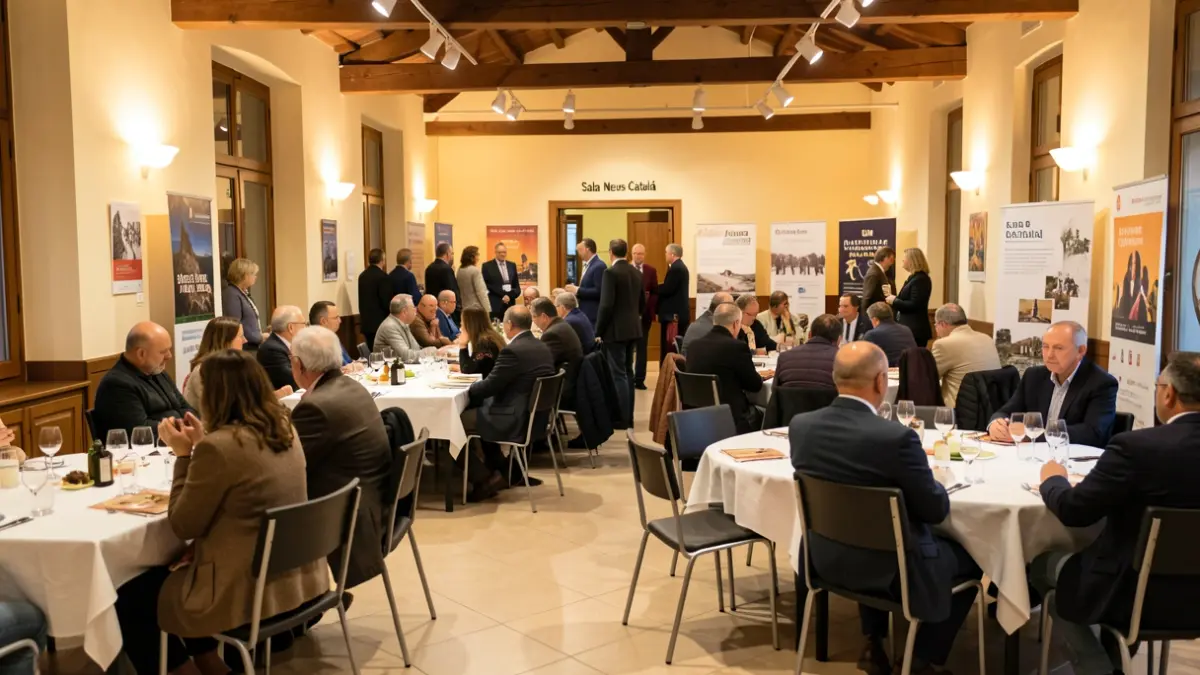
Although the book was previously presented at the Casal Popular la Flama, Sánchez deemed it “necessary” to hold a second event in his hometown. The author plans to take the work to other locations such as Montcada, Ripollet, Sabadell, and Barcelona for wider dissemination, as it targets a very specific sector of the population: the residents of Cerdanyola linked to the peasantry.