In just 29 working days of visits, the exhibition registered an average of 400 people daily, including numerous school visits. This success has made the activity one of the most popular during the Christmas season in the city. The experience, which journeys through the entity's history from its beginnings to its most innovative technology, can still be visited until February 1.
The project, created and developed by LaviniaNext, was creatively directed by Xavier Segura. Although not a native of Terrassa, Segura emphasized the total immersion required to understand the history of both MútuaTerrassa and the city. The main goal was not to create a corporate showcase, but to generate an identity link with the entity and, above all, with Terrassa.
“"I have seen elderly people, former Mútua employees, reach the end and cry. Achieving emotion in such an experience is very difficult, and that is the most gratifying part of all the work done."
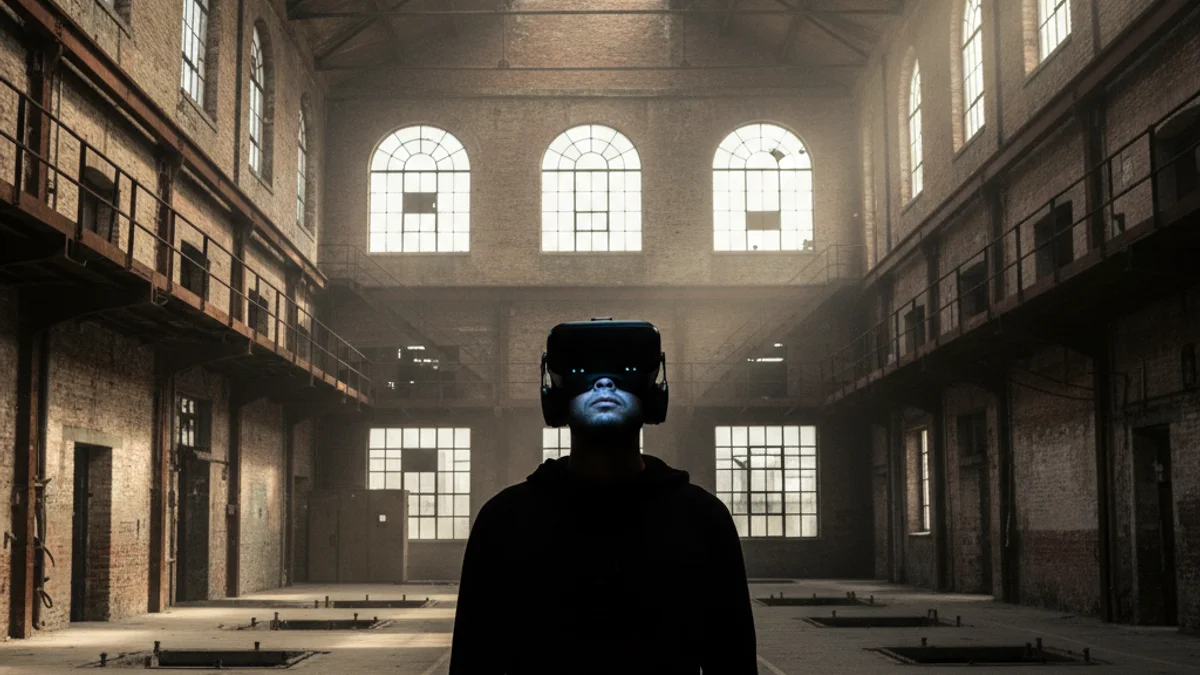
The experience's narrative uses key elements of local history, such as the symbolic recreation of the Vapor Aymerich, Amat i Jover, a symbol of industrial Terrassa. Segura explained that they sought an 'almost dreamlike space' that was recognizable, generating the first visual 'wow.'
The tour deliberately avoids showing conventional clinical spaces, focusing instead on the human dimension of Mútua. This perspective is reinforced by the figure of the child, Roc, who accompanies the visitor, a narrative device intended to generate empathy and connect with the historical memory of child labor in the factories.