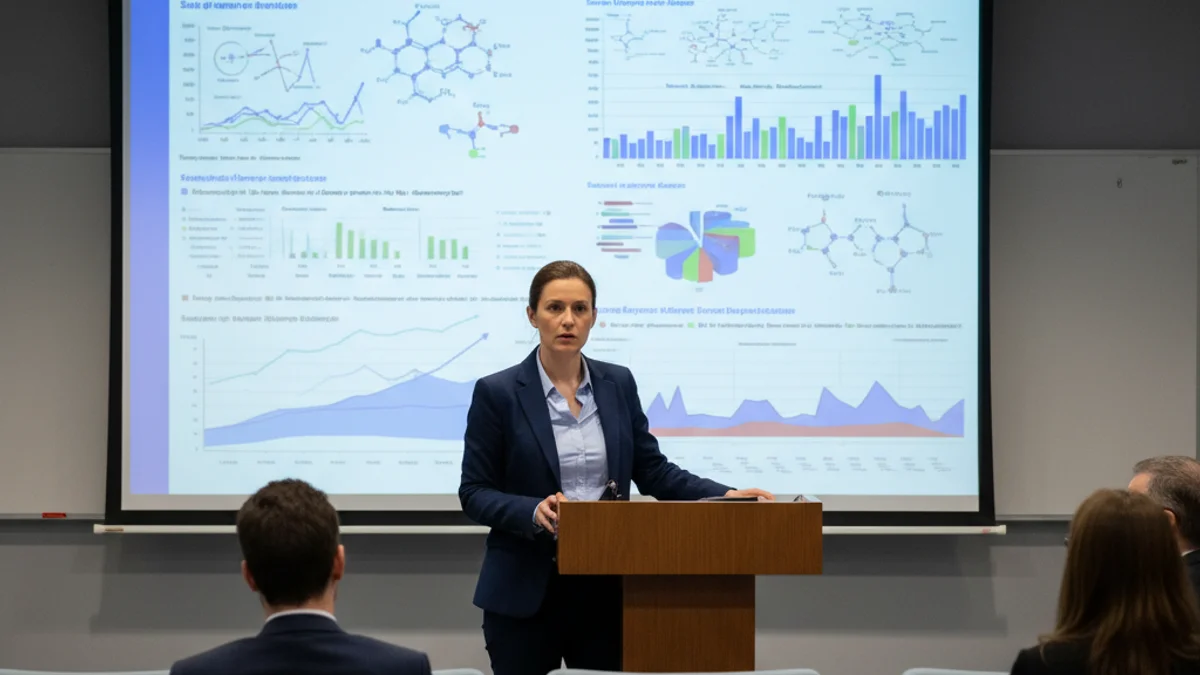
The thesis, titled “Endoscopic treatment of inflammatory bowel disease: assessment of the efficacy and safety of different endoscopic techniques and their cost-effectiveness,” was developed by Xavier Andújar Murcia, adjunct to the Digestive Endoscopy Unit of the Consorci Corporació Sanitària del Parc Taulí. It was supervised by Dr. Carme Loras, head of the Digestive System Service at HUMT, and Dr. Maria Esteve.
The work, which received an excellent grade, focused on two main objectives: evaluating the effectiveness and safety of Balloon Endoscopic Dilation (BED) for Inflammatory Bowel Disease (IBD) strictures, and comparing it with the placement of a Fully Covered Self-Expandable Metallic Stent (FCSEMS) in the treatment of strictures in Crohn's Disease.
Balloon Endoscopic Dilation (BED) is safe and effective for the treatment of intestinal strictures in IBD patients, regardless of the center's complexity level, making it the technique of choice compared to FCSEMS.
Factors identified as associated with the therapeutic success of dilation include technical success, the non-use of anti-TNF drugs at the time of BED, and a short stricture length. Furthermore, the study concluded that BED offers better clinical efficacy and lower average cost compared to FCSEMS.