Mònica Castilla arrived in the German capital in 2000 on an Erasmus scholarship for six months at Humboldt University, but ultimately stayed for 25 years. Although she studied Translation and Interpretation, she transitioned to teaching, where she currently works with students aged 11 to 18.
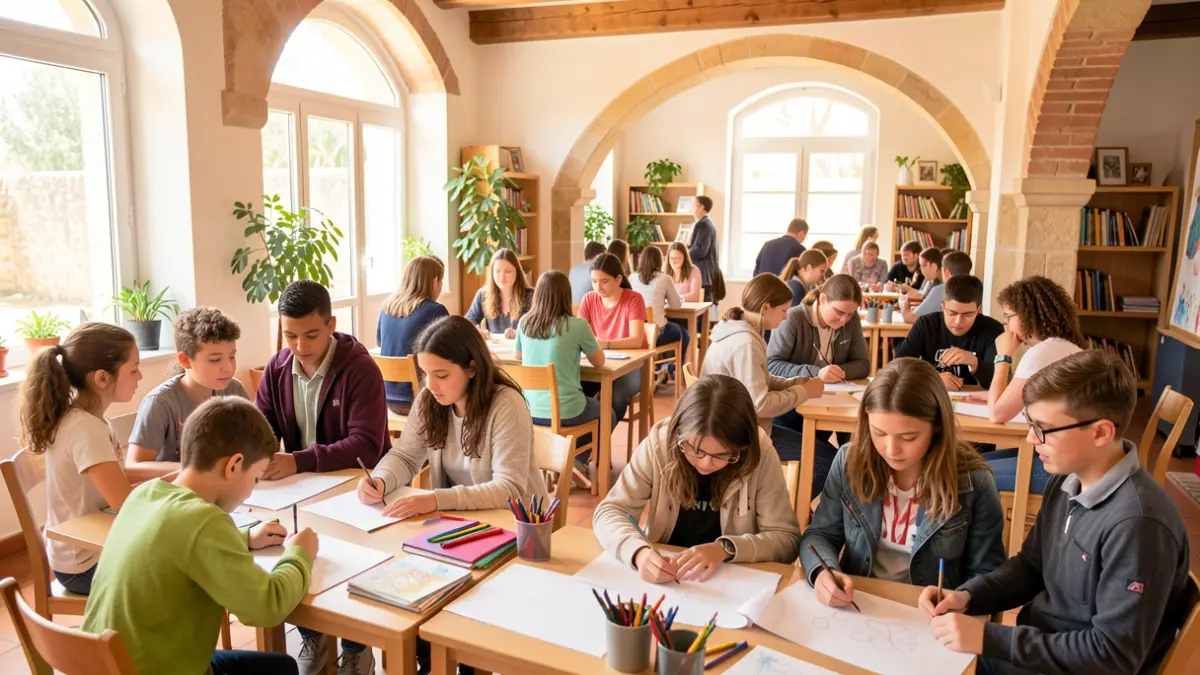
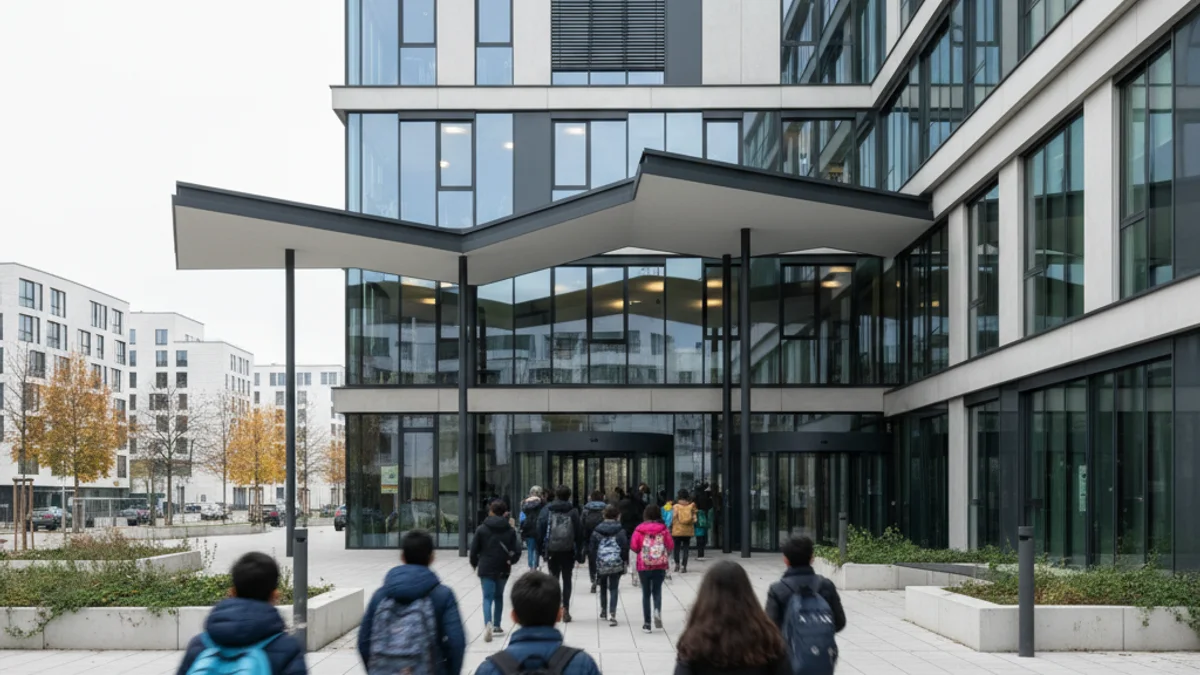
The Nelson Mandela International School is a public, bilingual center (German and English) known for its diversity, hosting students from 83 nationalities, which Castilla describes as a 'mini UN.' This environment forces migrant students, who make up 42% of the enrollment, to learn the language quickly.
“"We place great importance on critical thinking. The way classes are taught is less frontal and gives students more opportunity to participate."
One of the most positive aspects Castilla highlights is the emphasis on critical thinking and active student participation, where the oral grade carries more weight than the written one, helping to reduce school failure. She also notes that in Germany, children are taught to take responsibility earlier, making it normal for them to go to school alone at 6 years old.
Although Berlin eliminated the classic secondary segregation (Gymnasium, Realschule, Hauptschule) through the Integrierte Sekundärschule, segregation persists based on neighborhoods. Castilla also criticizes the school schedules (starting at eight, ending at noon) and the high rate of absenteeism, which can result in children being sent home if the teacher is unavailable.