Jordi Magem Badals, born in Manresa in 1967, is one of the most prominent figures in Catalan and Spanish chess. He earned the Grand Master title in 1994, was the Spanish champion in 1990, and finished 16th in the Las Vegas World Championship in 1998. He also served as captain of the Spanish national team in nine Olympiads between 1990 and 2010.
After retiring from high-level competition in 2012, Magem has dedicated himself to coaching chess players, including former world runner-up Alexei Shirov. He began his journey at the Catalònia club, located in the Casino de Manresa, a place he considers crucial for sparking his passion.
“"In high-level competition, it is as if you live in an unreal world all the time. You dream about chess and you wake up with chess. Although I no longer dedicate myself to this level, it still happens to me that, suddenly, without meaning to, I realize I am pondering positions."
Regarding the mindset required for success, Magem points out that obsession is key, although he admits he might have needed to be “even more” obsessive to reach the absolute peak. He emphasizes that chess is a blend of sport, art, and science, where rational intelligence must be complemented by a strong personality and composure.
“"In reality, a chess game is won by the one who wants to win it the most."
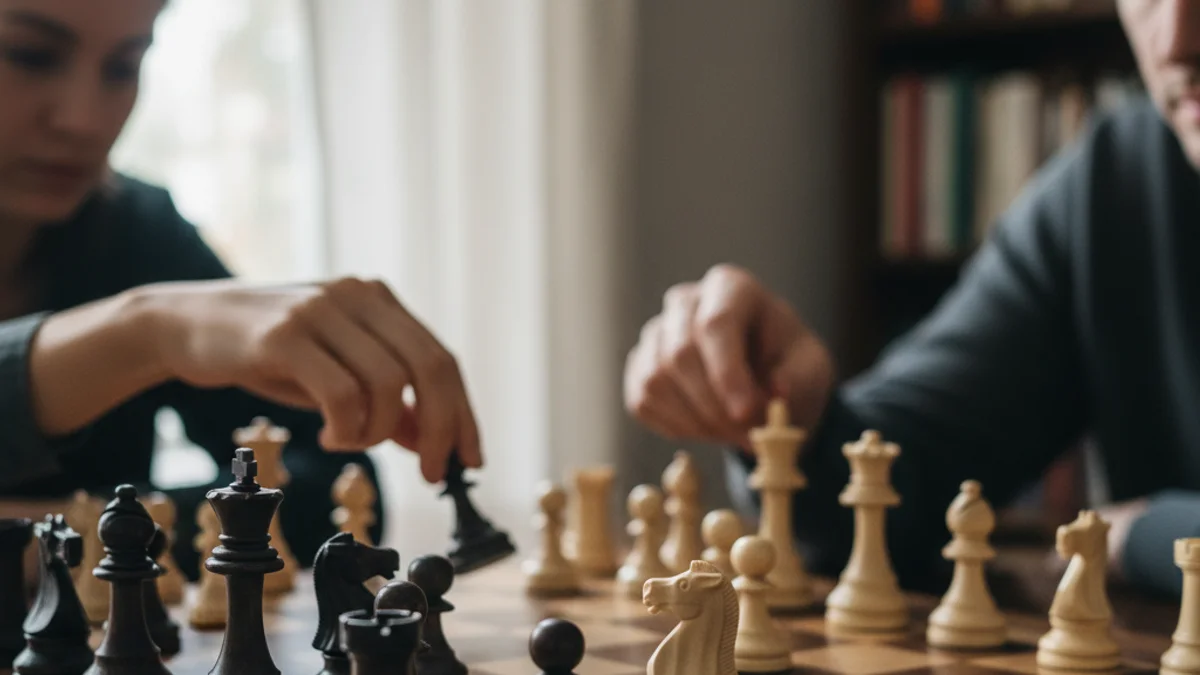
The rise of online play has accelerated learning, allowing young players to gain necessary experience much earlier, resulting in increasingly younger Grand Masters. However, Magem regrets that this trend harms traditional clubs, as many players prefer remote practice, although he acknowledges that “the warmth of the board and the feel of the pieces cannot be substituted.”