After an infection left her paraplegic, Mercè Tarruella's life was confined to bed, a common fate when doctors lacked therapeutic alternatives. Her situation changed dramatically after meeting doctor Miquel Sarrias, who returned from England to establish the specialized Guttmann Institute in Barcelona.
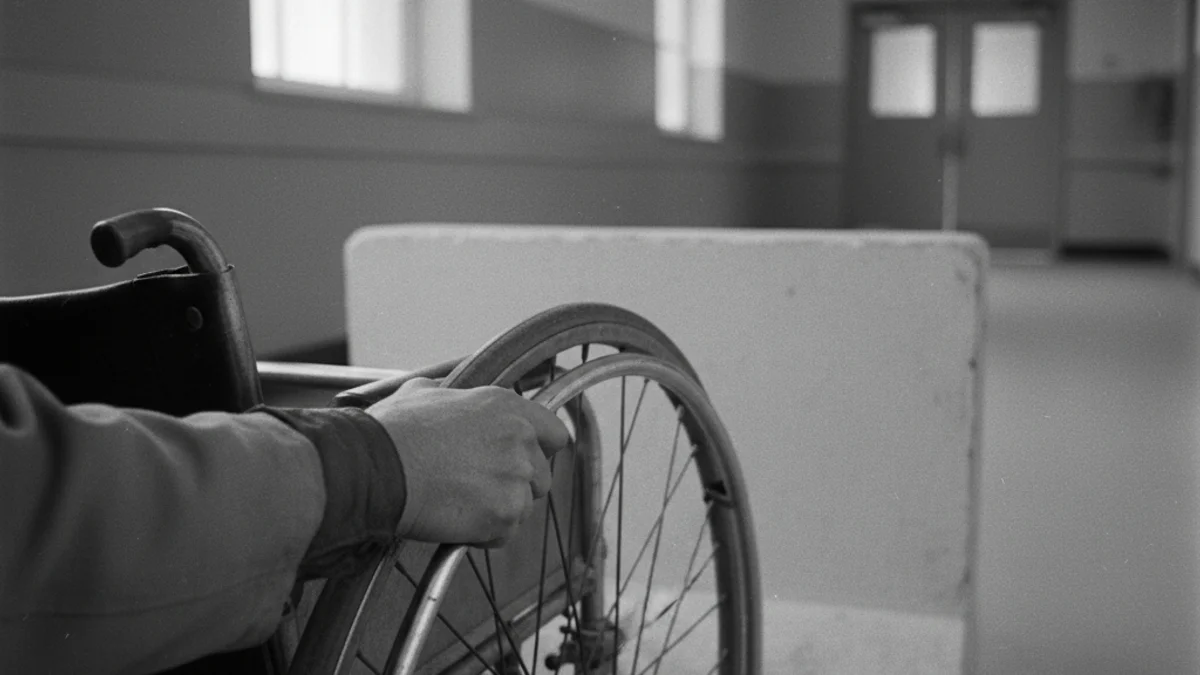
“"I had never seen a wheelchair. There were none in Barcelona. Paraplegics were kept at home, locked away, and they died quickly."
Mercè's admission in December 1965 to the Guttmann Institute, where she learned to use a wheelchair imported from England, felt “like being born again.” Upon discharge, she made what is considered the first wheelchair journey through Barcelona, forced to travel on the road due to the complete lack of accessible sidewalks.
Beyond mobility, rehabilitation granted her autonomy previously unthinkable in the 1960s, enabling her to dress herself and manage household chores. Mercè, now 91 years old, celebrates the current medical and social progress, although she notes that accessibility, particularly in public transport, still requires significant improvement.