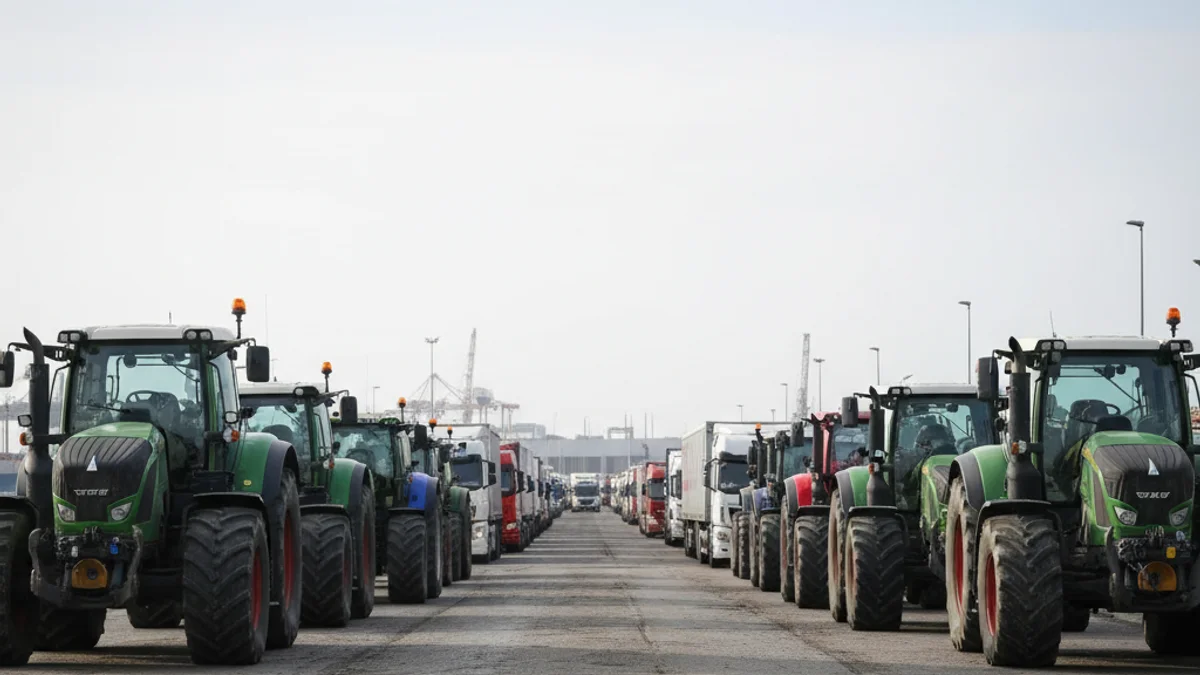
The protest, which gathered around seventy tractors and other vehicles, led to the closure of the main access gate, preventing trucks from entering from the Eix Transversal onto the A-27. The APT expressed respect for the right to protest but showed concern about the potential long-term economic impact.
The decrease in cereal deliveries through the Agri-Food Delivery System (SEA) was particularly drastic, registering a drop of 81.95% compared to data from the same day in 2025.
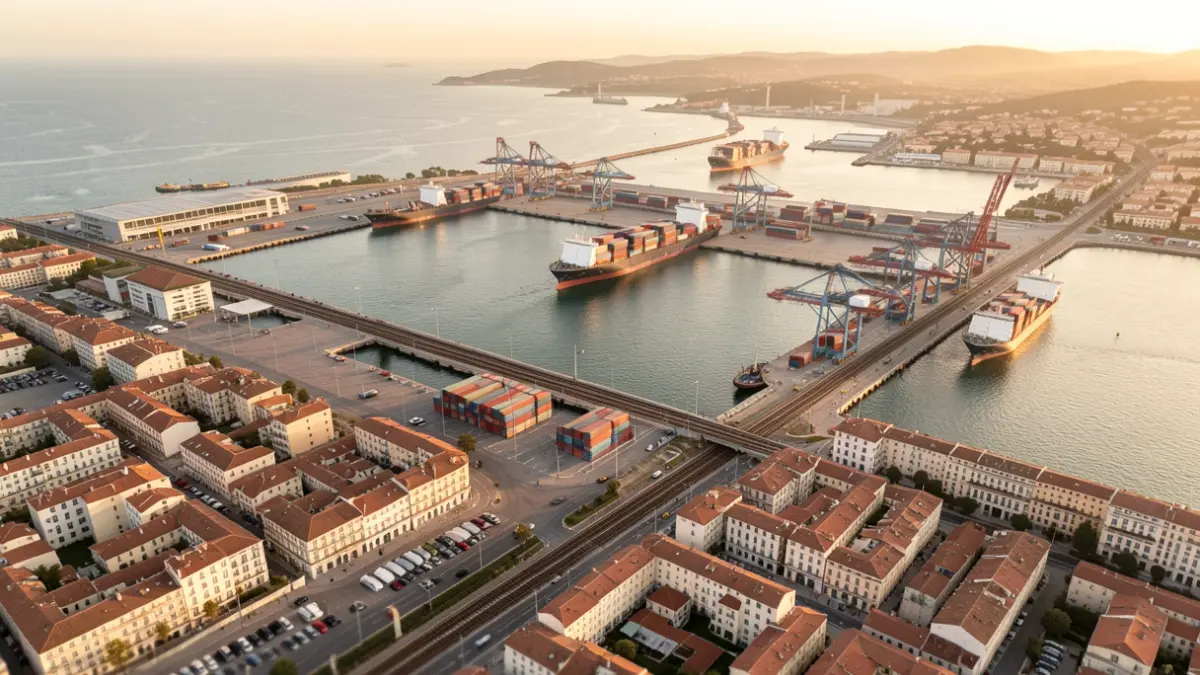
According to data provided by the Port Authority, the impact during the first morning of the protest was quantified as an overall decrease of 44.25% in trucks entering or leaving the premises. Specifically, entries fell by 41.76% (from 972 to 566 trucks) and exits by 46.99% (from 883 to 468 trucks) between 5 AM and 12 PM.
As preventive measures, the APT reinforced surveillance and increased the presence of the Port Police. Furthermore, they coordinated with the Mossos d'Esquadra and Protecció Civil, and enabled one entry and one exit lane from the A-27 to guarantee emergency access and the departure of dangerous goods.
The APT clarified that the agri-food goods arriving at the port, such as tropical fruits (kiwi, pineapple, and bananas) and cereals, do not compete with Catalan production. These products are necessary to supply the state market, which requires 25 million tons of cereals annually, while the Spanish harvest only covers about 9 million tons.