There are few films as successful in staging, script structure, and performance, yet simultaneously as reactionary, as The Fountainhead. The film, shot for Warner, features characters who are carriers of a marked ideology, all revolving around the individualistic myth represented by the architect Howard Roark, the man chosen as a leader above society.
This form of thought comes directly from the novel's author, Ayn Rand, who was born as Alisa Znoviévna Rosenbaum in Saint Petersburg in 1905 and exiled to the U.S. in 1926. Her Objectivist philosophy advocates that the person must be driven by a firm will to dominate, without compassion or fraternity, considering these virtues a hindrance to human evolution. Besides The Fountainhead, she wrote We the Living and Atlas Shrugged.
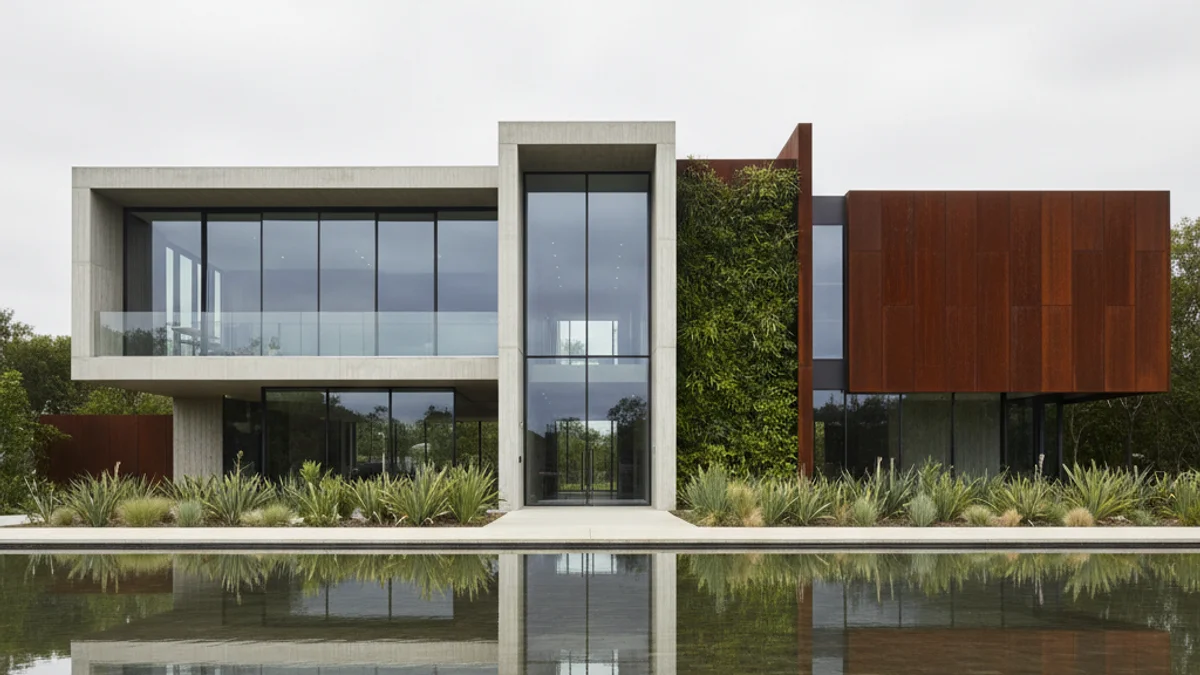
The figure of Howard Roark is inspired by the great American architect Frank Lloyd Wright. The film's interior sets display large, open spaces with plenty of light, while the building facades feature defined lines and no added ornamentation, integrated into the environment. Even the famous Fallingwater House can be distinguished in the drawings presented by Roark.
The Fountainhead is an ode to fierce capitalism and the leadership of the chosen few.
The plot focuses on the conflict of Dominique Francon, who struggles against her will to be free and her attraction to Roark. The film shows how major newspapers shape public opinion and large property owners raise skyscrapers without hindrance. Roark's final plea before the judge, after dynamiting the Cortland Homes, serves as a definitive declaration of the Objectivist ideology's principles.
The filming also generated gossip: Gary Cooper, married to Veronica Balfe, fell in love with the young Patricia Neal, 24, when he was 47. She became pregnant, and Cooper pressured her into an abortion. Neal later married the writer Roald Dahl.