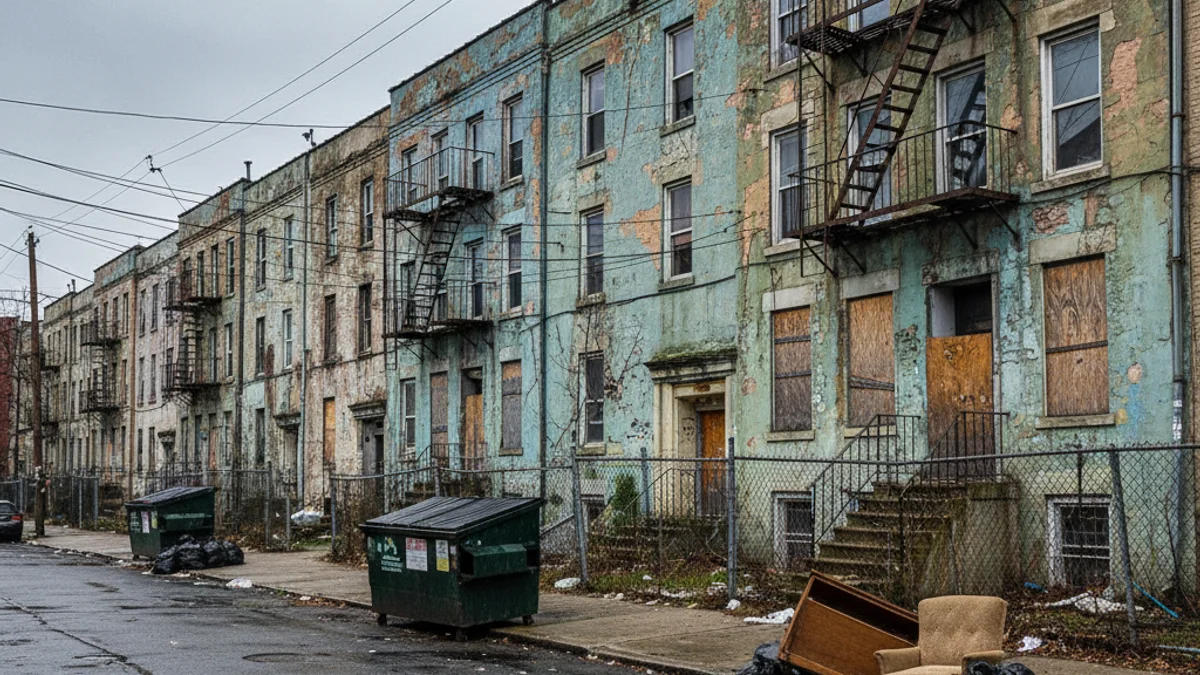
The Cerdanyola neighborhood, the poorest in Mataró with an average income of 8,275 euros per person, has become the paradigm of social tension in the capital of Maresme. This situation stems from the administration's inability to quickly address insecurity issues, a vacuum exploited by the easy discourse of the far-right, especially Vox, which was the second most voted force in eight of the city's twelve neighborhoods in the last municipal elections.
The conflict in Cerdanyola peaked in April 2025 with a week of disturbances following an attempted squatting incident, and later with an ultra-right demonstration. This neighborhood, which has seen a significant increase in foreign population (4.56% between 2020 and 2025), currently registers 30.28% of foreign-born residents, making it one of the highest percentages in the city.
“"The gateway to the right to housing cannot be committing the crime of squatting."
As an antidote to extremism and to address the social root of neighborhood concern, the City Council has promoted structural reforms. The Cerdanyola neighborhood was chosen by the Catalan Government to present the Pla de Barris (Neighborhood Plan) in December 2025. This plan will involve a total investment of 25 million euros (12.5 million from the Government and the rest municipal) for the 'Cerdanyola Viva' project, aimed at housing rehabilitation, improvement of educational and sports facilities, and new opportunities.
Beyond Cerdanyola, the problem of conflictive squatting remains a focus of tension in Mataró. The agreement between the PSC and the PP allowed the creation of a local anti-squatting office which, in its first year (until August 2025), managed 78 cases and resolved 40%. Thanks to police pressure and prevention, frustrated squatting attempts (around 350 between August 2024 and August 2025) now exceed completed ones, reversing the trend of previous years.