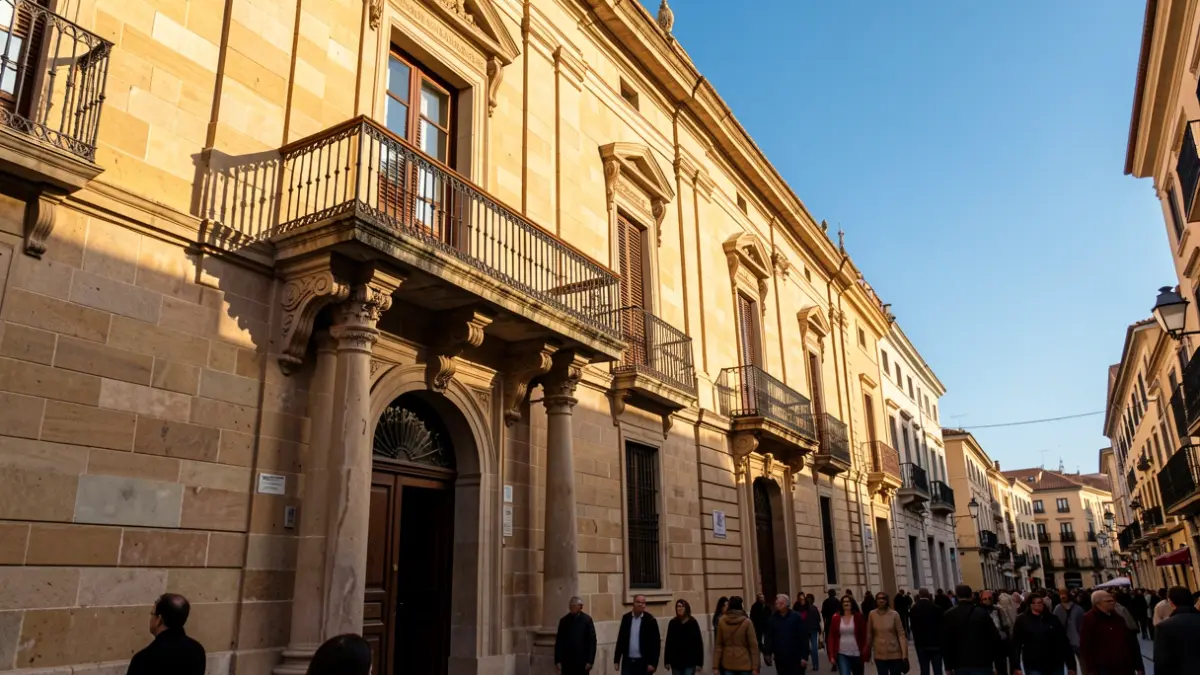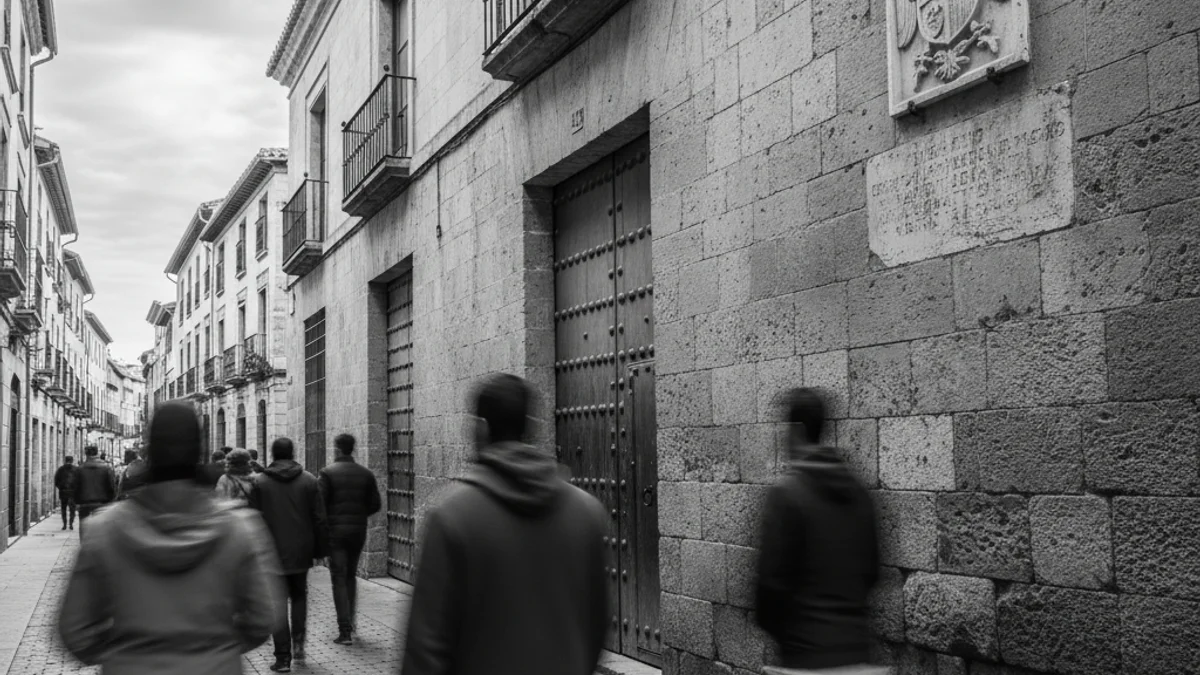
Walking through the streets of modern-day Reus does not always reveal what happened ninety years ago. The capital of Baix Camp suffered 67 bombings by the Francoist side, claiming the lives of 214 people. This initiative by ANS Educació seeks to prevent this repression from being buried.
The route begins by setting the political context prior to 1936 and introduces figures like Jaume Guiu, a teacher at the religious school on Ample street, who voluntarily surrendered and was murdered by members of the Guardia de Asalto. Another shocking episode was the attack on the Centre de Lectura, where Regina Figuerola Reboll, niece of the sculptor Joan Rebull, died.
The Civil War was the first total war of the 20th century in Europe, where the civilian population became a direct target of bombings for the first time.
To protect itself from air raids, Reus built eighteen public shelters, including the one in Plaça de la Patacada, with capacity for about 2,000 people. The tour also includes famous witnesses such as the writer Ernest Hemingway, who described the city disappearing under a cloud of smoke, and the poet Gabriel Ferrater, who experienced the attacks from a shelter near Sant Miquel street.
Finally, the route incorporates the perspective of the victorious side to understand post-war Reus, featuring the case of Francisca Magdaleno de la Hoz, who gave her name to the current Recs street during the Franco regime.